10 Best Solar Power Systems for Global Buyers?
Choosing among the 10 best solar power systems for global buyers requires more than comparing panel prices. Location, sunlight, grid reliability, battery storage, warranties, and installer quality can change the outcome dramatically. A rooftop system in Nairobi may need different protection from one in Hamburg. A system that performs well in California may struggle with weak local service networks elsewhere.
Industry data shows why this market deserves careful attention. IRENA’s Renewable Capacity Statistics 2024 reported 473 gigawatts of new solar capacity installed worldwide in 2023. Solar represented about 73% of total renewable additions that year. The IEA’s Renewables 2024 report also expects renewable capacity to expand rapidly through 2030, led by solar photovoltaic technology. Costs are falling, but not everywhere equally. Import duties, financing rates, replacement parts, and battery degradation still matter.
Fatih Birol, Executive Director of the International Energy Agency, called solar power “the new king of electricity markets” in the IEA’s World Energy Outlook 2020. The phrase is powerful, although it should not end the discussion. Reliability matters. So does responsible sourcing.
This guide compares leading systems using practical buyer criteria. We examine efficiency, storage compatibility, monitoring, safety certifications, warranty terms, and long-term service support. Lazard’s Levelized Cost of Energy analysis shows utility-scale solar remains highly competitive, but household economics can differ. The “best” system is not always the most powerful one. Sometimes, the wiser choice is smaller, repairable, and properly sized.
Solar Power System Types and Their Global Applications
10 Best Solar Power Systems for Global Buyers?
Solar power systems serve different needs across climates, grids, and budgets. Grid-tied systems suit cities with reliable electricity and support daytime bill reduction. Hybrid systems add batteries for evening demand and short outages. Off-grid systems fit remote homes, farms, clinics, and telecom sites, but require careful load planning. Portable systems help temporary workspaces and emergency charging. Large commercial and utility systems use high-voltage equipment, monitoring, and dedicated land or rooftops.
The market is expanding quickly. According to IRENA’s Renewable Capacity Statistics 2024, solar capacity grew by about 345 gigawatts in 2023. That figure shows strong demand, but it does not make every system suitable. A dusty desert needs filtration and frequent cleaning. A tropical site needs corrosion-resistant enclosures and drainage. Cold regions require battery protection and snow-aware installation. The “best” system may still perform poorly when local maintenance is ignored. That is an uncomfortable design gap.
Tips:Start with a measured load profile, not a guessed monthly bill. Check peak power, battery autonomy, local sunlight, roof strength, and replacement access. The Global Solar Atlas can support initial irradiation estimates, while IEC-based testing and qualified installers improve reliability. A hybrid system often offers balance, yet batteries increase cost, weight, and eventual disposal concerns. Plan for those limits before signing a purchase contract.
Key Criteria for Comparing Solar Power Systems Worldwide
Choosing among the 10 best solar power systems requires more than comparing advertised wattage. Global buyers should assess local sunlight, roof direction, seasonal cloud cover, and temperature. A system performing well in one region may underperform near the equator or in snowy conditions. Check the complete energy model, not one peak-output figure. Ask for verified test data and clear warranty terms. Reliability starts with evidence.
Compare panel efficiency, inverter performance, battery chemistry, usable storage, and expected degradation. Also examine installation quality, monitoring accuracy, replacement access, and technical support in your country. A low purchase price can become expensive when shipping, customs, or specialist repairs are added. Safety certifications should match local requirements, while grid compatibility must be confirmed before purchase. In my experience, installers often reveal practical limits that product sheets hide. Their advice is not infallible, so request a written design and question optimistic savings estimates.
Tips: Calculate daily energy use from real bills, then add a modest reserve for cloudy days. Measure the installation space carefully. Confirm battery capacity at its usable level, not its headline rating. Compare performance guarantees over time, including degradation assumptions. Keep records of serial numbers, commissioning tests, and maintenance visits. If a supplier avoids specific answers, pause. The best global choice is not always the largest system; it is the one fitting local climate, regulations, budget, and repair realities.
Ten Leading Solar Power Systems for Different Buyer Needs
Global buyers need different solar power systems, not one universal winner. The International Energy Agency’s Renewables 2024 report records solar photovoltaic additions of about 420 gigawatts in 2023. That scale hides major design differences. A grid-tied rooftop system suits urban homeowners seeking lower bills. A battery-hybrid system fits households facing evening outages. An off-grid cabin system serves remote users, while a portable solar generator supports travel and emergency charging. Commercial rooftop systems match factories with daytime loads. Utility-scale systems suit developers with large, unshaded land.
Other leading options target specific conditions. Agrivoltaic systems combine farming with elevated panels. Floating solar systems use reservoirs where land is scarce. Community microgrids support villages, clinics, and schools. Solar water-pumping systems help farms reduce diesel dependence. IRENA reported that solar capacity grew by roughly 345 gigawatts in 2023, showing strong market confidence, but installation quality still varies widely. A carefully sized inverter matters. So does battery ventilation.
Buyers should examine local sunlight, roof strength, salt exposure, maintenance access, and grid rules. The U.S. National Renewable Energy Laboratory commonly models around 0.5% annual photovoltaic degradation, yet dust and poor wiring can cause faster losses. A low purchase price may become expensive after repeated service visits. No ranking is perfect. Some buyers may regret choosing maximum capacity instead of reliable daily output. Performance should be checked through warranties, independent testing, and measured energy data.
Installation, Storage, Maintenance, and Compatibility Considerations
Choosing among the 10 best solar power systems requires more than comparing panel output. IRENA’s Renewable Capacity Statistics 2024 recorded 345.5 GW of new solar capacity in 2023, showing how quickly installation practices are evolving. On site, measure roof loading, shading, cable distance, and local sunlight before selecting equipment. A system designed for a dry desert may perform poorly in a humid coastal climate. Compatibility matters.
Check inverter voltage ranges, single- or three-phase supply, connector standards, and local grid requirements. Storage should match daily demand, not only panel capacity. Review usable energy, round-trip efficiency, temperature limits, warranty terms, and safe indoor placement. The IEA’s Batteries and Secure Energy Transitions report noted strong growth in battery storage deployment during 2023, but larger capacity does not automatically mean better value. Oversized batteries can remain partly unused. That is easy to miss.
Maintenance is usually modest, but not zero. NREL research reports median photovoltaic degradation near 0.5% annually, although site conditions can change results. Inspect mounting hardware, wiring, ventilation, and battery alerts at least yearly. Clean panels when dust visibly reduces production; frequent washing can waste water. Keep records of monthly generation and unusual temperature readings. I would avoid treating software estimates as field measurements. They can be wrong. A qualified installer should verify protection devices, grounding, shutdown access, and commissioning results before handover. Global buyers should also confirm spare-part availability and technician support, because a technically excellent system becomes inconvenient when one small component cannot be replaced.
10 Best Solar Power Systems for Global Buyers
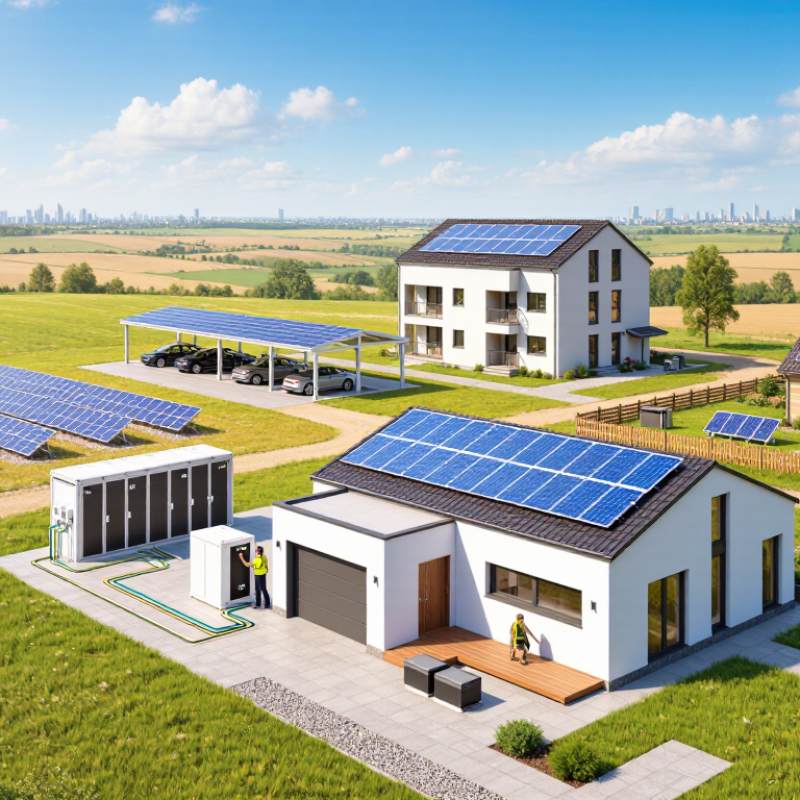
These reference configurations represent common residential, commercial, agricultural, and off-grid applications worldwide. PV capacity and battery storage are typical planning values; final sizing depends on local solar irradiation, electricity demand, weather, grid rules, installation space, and backup requirements.
Planning considerations: Grid-connected systems generally prioritize PV generation and may use a smaller battery, while hybrid and off-grid systems require additional storage and backup capacity. Installation should account for roof structure, shading, temperature, wiring, and local electrical standards. Annual maintenance commonly includes visual inspections, inverter checks, connection testing, and periodic module cleaning. Battery voltage, inverter type, connector standards, and grid frequency must be compatible with the local electrical system.
Costs, Incentives, Warranties, and Regional Buying Factors
10 Best Solar Power Systems for Global Buyers?
Solar costs depend on more than panel prices. A complete quote should include mounting, wiring, permits, labor, monitoring, and possible battery storage. In my project reviews, installation and grid-connection fees often changed the final budget most. A battery may improve backup power, but it can also double the upfront cost. Payback estimates should use local electricity rates, sunlight data, and realistic system losses.
Incentives vary by country, province, and utility area. Some programs reduce taxes, while others offer rebates or payments for exported electricity. Rules can change quickly. Check government portals and utility documents before signing anything. Imported equipment may also face duties, currency risks, or delayed replacement parts. Cheap today can become expensive later.
Read every warranty carefully. Product coverage, performance coverage, and installation workmanship are separate promises. Confirm who handles claims and whether local technicians can inspect the system. Climate matters too. Coastal homes need corrosion-resistant hardware, while dusty regions require practical cleaning access. Snow, heat, shade, and weak grids can affect design choices. A spreadsheet helps, but it can still lie. Ask for production assumptions, service response times, and references from nearby installations. Smaller systems may suit modest homes better, although sales estimates sometimes ignore future electricity use.