Choosing the best residential solar system is less about buying the most panels and more about matching equipment to a home’s real energy use. Start with twelve months of electricity bills, then consider roof direction, shade, available space, and the roof’s age. A maple tree casting afternoon shadows may affect production more than a small difference in panel wattage. Energy-efficiency expert Amory Lovins captures a useful starting point: “The cheapest energy is the energy you don’t use.” Reducing avoidable consumption can change the system size a household needs.
A sound comparison should look beyond a glossy annual-production estimate. Review panel and inverter specifications, equipment warranties, installer qualifications, and how each proposal handles shading and future repairs. Ask whether the design includes battery storage, and what that storage is expected to do. A battery may provide backup or help shift energy use, but it also adds cost and may not suit every household. Local utility rules and electricity rates can affect the financial picture, so verify current details before relying on projected savings.
Small details matter. Ask for the assumptions behind each quote, including expected output and any degradation estimate. Compare several proposals on the same basis. A tidy payback figure can look convincing; it is still an estimate, not a promise. Even careful shoppers can focus too quickly on panel count. That is an easy mistake. The best residential solar choice is the one that fits the home, budget, and energy priorities—with its trade-offs made clear.
A sound solar decision starts with your household’s actual energy use, not a rough guess. Gather 12 months of electricity bills and note the seasonal swings. Summer air conditioning or winter heating can change the picture. Check which appliances use the most power, and when they run. An electric vehicle charged overnight creates a different demand pattern from one charged during daylight. Small details matter. Keep in mind that past usage may not reflect future needs if your family or routines are changing. The assessment can feel a little messy, but honest numbers are more useful than a polished guess.
Next, define what you want the system to do. Are you hoping to lower daytime bills, cover most annual electricity use, or keep selected essentials running during outages? Those goals affect system size and whether battery storage is worth considering. Look at your roof’s usable area, shade, and condition, too. A leafy tree may shade panels for part of the day, even when the roof looks sunny at noon. Ask a qualified installer to explain production estimates and the assumptions behind them, including local weather and household usage. Compare those estimates with your bills, and ask what happens if your energy needs grow. There may not be one perfect answer. A smaller system can be a sensible fit.
Residential solar systems generally fall into three types: grid-tied, hybrid, and off-grid.
A grid-tied system sends excess electricity to the utility network, but usually stops supplying power during an outage unless it has backup equipment.
A hybrid system adds a battery for selected circuits, such as a refrigerator or a few lights.
Off-grid systems need enough storage and generation to cover longer periods of poor weather. That changes the cost.
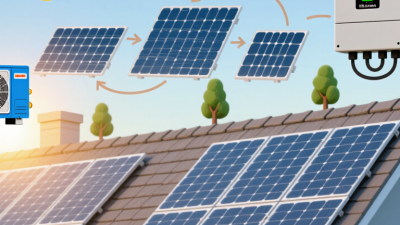
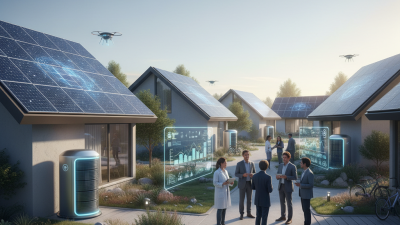
Panels capture sunlight, while an inverter converts their electricity into household-compatible power. Roof mounts hold panels in place, and wiring connects the system to the home’s electrical equipment. Batteries store surplus power for later use. Not every home needs one. A battery can be useful during outages, yet its value depends on usage patterns and local electricity rates.
Compare systems using your actual bills, roof shade, and daytime consumption. For example, a large tree may shade two panels in the afternoon and reduce output more than expected. Ask how the installer accounts for seasonal production, equipment warranties, and battery replacement. A basic monitoring app can show daily output, but readings do not explain every drop. I have seen estimates look precise while relying on optimistic assumptions; request the assumptions in writing and check them against your roof.
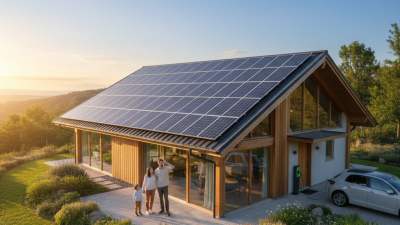
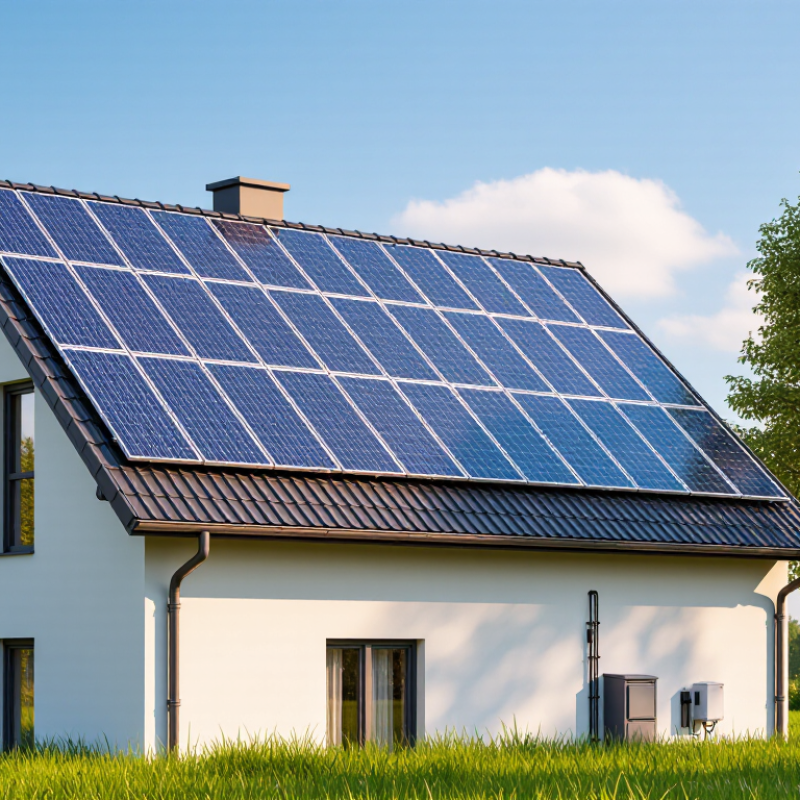
A suitable roof is more than a large, empty surface. Check its age, material, pitch, and condition before estimating usable space. If shingles are near the end of their life, repairs may be wiser before installation; removing panels later can add expense. South-facing slopes often receive strong sunlight in many northern locations, but east- or west-facing roofs may also work well. Orientation alone cannot decide the matter. Shade from chimneys, trees, or nearby buildings can cut production, especially during peak sunlight hours.
Tips: Observe roof shadows in the morning, at midday, and late afternoon. Shadows move. Consider seasonal changes: a bare tree in winter may shade panels once it has leaves. Ask a qualified installer to assess roof structure and review local wind, snow, fire, and permitting conditions. These details vary by area. A phone compass is only a rough guide.
Compare expected sunlight with recent electricity bills and local weather data. Cloud cover, heat, and dust can affect output, while nearby trees may grow taller over time. Clouds matter, too. Ask how an estimate accounts for shading and seasonal production, and check the assumptions rather than relying on one attractive number. Production estimates are not guarantees. Even careful planning can miss something, so leave room to reassess if roof repairs or landscaping are likely.
Estimated annual output relative to an unshaded, south-facing roof in a typical Northern Hemisphere location. Actual results vary with latitude, roof pitch, weather, shading, and local conditions.
What to consider: South-facing roofs generally receive the most annual sunlight in the Northern Hemisphere, while east- and west-facing roofs can still be suitable. Have a solar professional assess roof condition, pitch, shade from trees or nearby buildings, local solar exposure, and applicable permitting or weather requirements.
Compare total installed cost, not just the panel price. NREL’s 2024 cost benchmark puts a standard residential solar installation at about $2.90 per watt in its Q1 2023 benchmark. For a 7-kilowatt system, that suggests roughly $20,300 before incentives, though roof repairs, electrical upgrades, and local labor can change the quote. Small details matter. Ask each installer to itemize equipment, labor, permits, and expected production.
Then compare cash, loan, and lease or power-purchase options. Cash usually avoids financing charges, while a loan spreads payments over time; compare its APR, fees, term, and total repayment. A lease or power-purchase agreement may require little upfront, but check escalators, transfer terms, and who owns the equipment. Incentives vary by location and eligibility, and programs can change. Confirm current rules with official tax and utility sources before including savings in your calculations. A projected bill reduction is not a guaranteed return.
Tips: Request at least three itemized quotes using the same system size and battery assumptions. Compare estimated annual output against your actual bills, including seasonal usage. Check warranties and installer credentials. A low quote can still omit costly roof work.
Use this comparison to estimate system size and compare common ways to pay for residential solar in the United States. Actual prices, incentives, and savings depend on your location, roof, electricity use, and utility rules.
| Comparison | Typical range or terms | What to consider |
|---|---|---|
| System size and upfront cost estimates | ||
| 5 kW solar system | $12,500–$17,500 before incentives | Illustrative estimate using $2.50–$3.50 per watt for a residential rooftop system without battery storage. May suit a lower-use home, depending on climate and roof conditions. |
| 8 kW solar system | $20,000–$28,000 before incentives | Illustrative estimate using the same per-watt range. Compare the proposed annual production with your recent electricity use rather than choosing by system size alone. |
| 10 kW solar system | $25,000–$35,000 before incentives | Illustrative estimate using the same per-watt range. A larger system may require utility approval and may not be economical if exported electricity receives a low credit. |
| Battery storage, if added | Additional cost; price varies by capacity, installation, and backup configuration | Request a separate battery price and usable-capacity specification. A battery can provide backup or shift energy use, but it is not required for a grid-connected solar system. |
| Incentives and utility compensation | ||
| Federal residential clean energy credit | For new installations placed in service after December 31, 2025: not available under current federal law | The federal Residential Clean Energy Credit was terminated for qualifying expenditures after 2025. Check current IRS guidance and installation timing before including any federal credit in a budget. |
| State and local incentives | Amounts and eligibility vary by state, locality, and program | Programs may include rebates, tax incentives, or performance-based payments. Confirm current funding, application deadlines, and whether the incentive is taxable with the relevant program administrator. |
| Utility export credits and net metering | Set by the local utility and applicable state rules | Ask how exported electricity is credited, whether credits expire, and whether time-of-use rates apply. These rules can materially affect bill savings. |
| Common payment options | ||
| Cash purchase | Pay the full installed price upfront | Usually provides direct ownership of the equipment. Compare the total cash price, warranties, estimated production, and maintenance responsibilities. |
| Solar loan | Monthly payments; rates, fees, terms, and security vary by lender | Compare the APR, dealer fees, total repayment amount, prepayment terms, and any lien or home-equity requirements. Do not base affordability only on a projected utility-bill reduction. |
| Solar lease | Recurring payment under a contract; terms vary | A third party typically owns the system. Review annual payment increases, service coverage, contract length, and the process for transferring or ending the agreement when selling the home. |
| Power purchase agreement (PPA) | Pay for electricity generated at a contract price per kWh | The system is typically owned by a third party. Check the price-escalation terms, production assumptions, utility-bill responsibilities, and home-sale transfer provisions. |
Estimate assumptions: Solar system cost examples are arithmetic estimates based on an illustrative installed-price range of $2.50–$3.50 per watt; they are not quotes or guaranteed market prices. They exclude batteries, roof repairs, and unusual electrical work. Incentive and utility rules change. Check the IRS Residential Clean Energy Credit guidance and the Database of State Incentives for Renewables & Efficiency, then confirm details with your state, utility, and tax professional.
Choosing a qualified installer is as important as choosing the solar equipment. A low quote can hide weak electrical work, unclear maintenance duties, or limited support. Ask for licensing, insurance, recent project references, and proof of local inspection experience. The U.S. Department of Energy recommends comparing several bids and checking each contractor’s credentials. Berkeley Lab’s Tracking the Sun report also shows meaningful price differences between residential projects, even after accounting for system size and location. Price deserves questions, not automatic trust.
Warranties need careful reading. Separate equipment, performance, workmanship, and roof warranties. The Solar Energy Industries Association notes that equipment warranties commonly cover 10 to 25 years, while workmanship coverage may be much shorter. Ask who handles claims if the installer closes. Check whether labor, shipping, removal, and replacement are included. A performance warranty may promise output, but testing conditions can differ from your roof. That detail matters.
Tips: Request a written production estimate. Compare assumptions about shade, roof direction, and battery use. Read exclusions twice. Keep every permit, invoice, and inspection record. NREL’s residential photovoltaic cost benchmarks show that installation labor and soft costs remain significant parts of system pricing. This means a skilled installer can affect value beyond the panels themselves. Still, no checklist is perfect. I would not treat a long warranty as proof of excellent service. A clear contract, reachable support team, and documented workmanship often provide stronger practical protection.