How to Choose Solar Power for Your House in 2026?
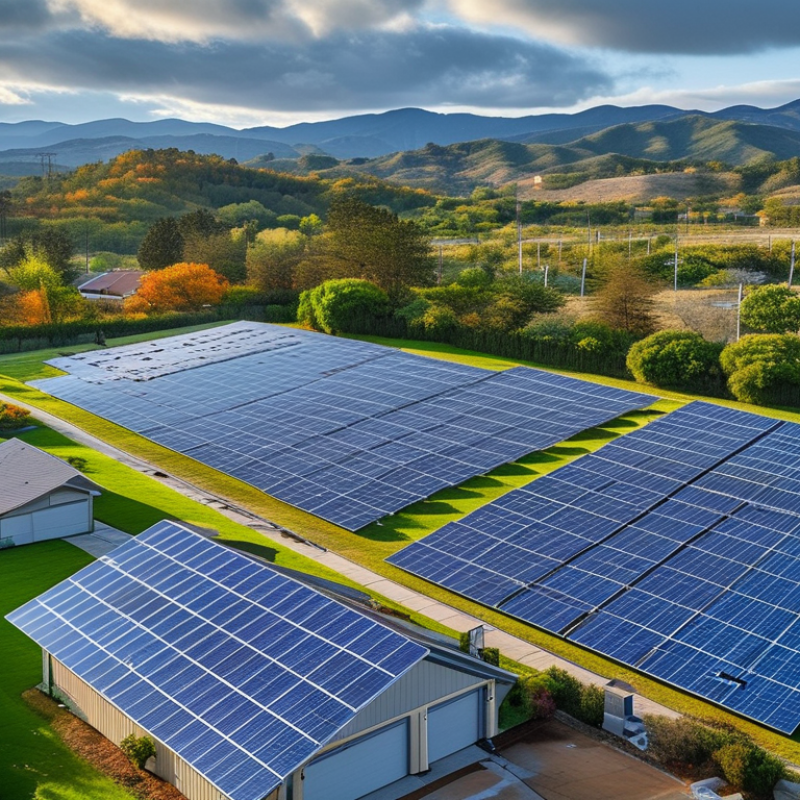
Choosing solar power for your house in 2026 requires more than comparing panel prices. Your roof, electricity use, local weather, and future plans all matter. A south-facing roof helps, but it is not essential. Shade, roof age, wiring capacity, and winter sunlight can change the result dramatically.
The International Energy Agency’s Renewables 2024 report expects solar photovoltaic systems to provide almost 80% of global renewable capacity growth through 2030. That expansion signals strong technological momentum, but household decisions remain personal. The right system may reduce grid purchases, protect against rising electricity rates, or support backup power during outages. It may also perform poorly if installers ignore shading or household load patterns.
Details matter. Track your hourly electricity demand, not only your annual bill. Examine the roof at 9 a.m., noon, and 4 p.m. NREL’s PVWatts tool can estimate production using local weather and system assumptions. Berkeley Lab’s Tracking the Sun: 2024 Edition also shows that residential system prices and designs vary across markets, so national averages cannot predict your exact quote. Battery storage deserves separate analysis. It can improve resilience, yet it may not provide the fastest financial return. This guide will compare panels, batteries, warranties, financing, and installer quality. It will also question attractive claims. No calculator captures every rooftop reality. That limitation matters. The goal is not the biggest system, but a safe, durable, properly sized investment for your home.
Define Your Home’s Energy Needs and Solar Goals
Choosing solar power in 2026 should begin with your household’s energy needs, not panel advertisements. Review twelve months of electricity bills and note seasonal changes. Mark high-use periods, such as summer cooling, electric cooking, or evening vehicle charging. A home using 650 kilowatt-hours monthly needs a different system from a small weekend property. Check your roof’s age, shade, direction, and usable area. A new roof may deserve priority before installation. I once saw a promising roof lose much of its output because afternoon shade was ignored.
Tips:
List appliances that must remain available during outages. Separate essential loads from convenient ones. Ask a qualified installer for a site assessment and a written production estimate. Compare estimates using local sunlight data, roof limitations, and expected electricity prices. Battery storage can support selected circuits, but it may increase costs considerably. Do not assume a larger battery always improves value.
Define your solar goal in plain terms
lower bills, backup power, lower emissions, or greater energy independence. These goals can conflict. Maximum bill reduction may favor daytime usage, while backup requires storage and careful electrical planning. Set a realistic budget, then leave room for maintenance and future electrical changes. Regulations and incentives vary by location, so verify details with official authorities and licensed professionals. My own planning mistake would be treating projected savings as guaranteed. Weather, tariffs, and household habits can change the result. Record your assumptions before signing anything.
Compare Solar System Types, Battery Options, and Essential Equipment
How to Choose Solar Power for Your House in 2026?
Your roof, electricity use, and outage expectations should guide the system type. A grid-tied system usually costs less and sends excess power to the grid. However, it normally stops during outages unless backup equipment is installed. A hybrid system adds batteries and can keep selected circuits running. An off-grid system needs larger solar capacity, more storage, and careful planning for cloudy weeks. Check your roof at different times. Shade at 3 p.m. can change the design significantly.
Battery choices involve more than storage size. Lithium iron phosphate batteries commonly offer long service life and stable performance. Lead-acid batteries may cost less initially, but they often need more maintenance and usable capacity can be lower. Compare usable kilowatt-hours, discharge limits, temperature performance, and replacement costs. Essential equipment includes an inverter, mounting structure, wiring, disconnects, surge protection, monitoring, and suitable meters. A qualified installer should verify load calculations, roof condition, ventilation, and local electrical requirements.
Tips: List essential loads before buying batteries. A refrigerator, router, lights, and medical equipment need different planning. Leave expansion space if your budget allows. My first rough estimate would have ignored winter production. That would be a costly mistake. Ask for production estimates using seasonal sunlight, not one perfect summer day. Read the installation documents carefully, especially backup limits and maintenance duties. Small details matter.
How to Choose Solar Power for Your House in 2026?
Compare solar system types, battery options, and essential equipment before selecting a residential solar setup.
How to Read This Chart
Lithium iron phosphate (LFP) batteries generally provide high usable capacity and strong round-trip efficiency,
while nickel-manganese-cobalt (NMC) batteries offer high energy density. Lead-acid batteries typically have
lower usable capacity and efficiency but may have a lower initial purchase cost. Actual performance varies by
model, temperature, operating conditions, and installation design.
Solar System Types
- Grid-tied systems: Usually the simplest and most cost-effective option, but they normally shut down during a grid outage unless backup equipment is installed.
- Hybrid systems: Combine solar panels, a battery, and a bidirectional inverter to provide energy storage and backup power.
- Off-grid systems: Require sufficient solar generation, battery storage, and often a backup generator to cover periods of low sunlight.
Essential Equipment
A complete residential installation commonly includes photovoltaic modules, an inverter, mounting hardware,
electrical protection devices, monitoring equipment, and—when backup power is required—a battery and transfer
or backup-control equipment.
Values shown are representative industry ranges summarized as typical midpoints; consult product specifications
and a qualified installer for system design.
Calculate Costs, Incentives, Payback Time, and Long-Term Savings
How to Choose Solar Power for Your House in 2026?
Start with your bill. Use twelve months of electricity data, not one sunny month. Estimate annual solar output with your roof direction, shading, and local weather. NREL’s PVWatts tool can provide a practical production estimate. A six-kilowatt system may produce very different results in Arizona and northern England.
According to Berkeley Lab’s 2024 Tracking the Sun report, the median U.S. residential installation price was about $3.15 per watt in 2023. At that level, a six-kilowatt system costs roughly $18,900 before incentives. Deduct only incentives you can verify. The U.S. residential clean-energy credit was historically 30% under the Inflation Reduction Act, but 2026 eligibility requires current tax-agency confirmation. Local rebates and export payments can change the result sharply.
Calculate net cost as the installed price minus confirmed incentives. Then divide it by expected annual savings. For example, $13,230 divided by $1,500 produces an estimated 8.8-year payback. That is only an estimate. Electricity prices, roof repairs, financing interest, and battery replacement can alter it. The IEA PVPS Trends 2024 report recorded 447 gigawatts of new solar worldwide in 2023, but global growth does not guarantee a cheap local quote. A neat spreadsheet can still mislead. Check warranties, degradation assumptions, and grid rules carefully. NREL modeling commonly allows about 0.5% annual panel degradation, so long-term savings should decline gradually rather than remain perfectly flat.
Choose Qualified Installers and Plan for Permits, Maintenance, and Expansion
How to Choose Solar Power for Your House in 2026?
Choose an installer with verified licenses, insurance, and experience on homes like yours. Ask for recent project references, not only polished online reviews. During a site visit, the installer should inspect roof age, shading, wiring, and available equipment space. Request a clear proposal showing panel capacity, expected production, labor, warranties, and payment terms. Vague estimates deserve careful questioning.
Permits and grid approval can affect your installation schedule. A qualified installer should explain who submits documents and how inspections are arranged. Keep copies of permits, drawings, equipment specifications, and final inspection records. Maintenance is usually simple, but dust, leaves, loose connections, and storm damage still need attention. Schedule an annual check, especially after severe weather. I would not assume every roof can support future panels. Leave accessible space around the electrical equipment and discuss expansion before construction. Plans change. Your electricity use may grow, or the original estimate may prove optimistic.
Tips:
Compare at least three written proposals. Check production assumptions against your roof’s shade patterns. Ask what happens if a component fails. Confirm response times and service fees in writing. Do not choose the lowest price automatically. That shortcut can become expensive. A thoughtful installer will explain limitations, admit uncertainties, and revise the design when site conditions demand it.