

How to Choose a Vibrating Knife Carton Proofing Machine?
Choosing a Vibrating Knife Carton Proofing Machine requires more than comparing prices and advertised cutting speeds. The right equipment should match your carton materials, sample volume, design workflow, and workshop conditions. A machine that performs well on single-wall corrugated board may struggle with thick honeycomb panels or laminated sheets. The difference often appears at the corners.
Practical testing matters. Examine how the machine handles crease lines, narrow tabs, internal windows, and small lettering. Ask suppliers for sample cuts using your actual board grades. Watch the blade during tight curves. Does it leave clean edges, or does the liner tear? Check the software interface, file compatibility, vacuum table, tool changes, and operator training. Small details can determine whether a prototype is ready in minutes or needs repeated manual correction.
Reliability should also guide the decision. Review cutting accuracy, motor stability, spare-part availability, warranty terms, and technical support response times. Experienced users often value dependable calibration more than maximum speed. That is easy to overlook. A fast machine is not useful when its registration drifts after several hours. Consider noise, dust control, workspace size, and routine maintenance before installation. These factors affect daily productivity and operator comfort.
No single machine fits every packaging business. That is worth admitting. A careful evaluation should balance present needs with realistic future orders. Avoid choosing based only on impressive demonstrations. Measure results, record waste levels, and compare complete ownership costs. With evidence from real samples and informed supplier discussions, buyers can select a proofing system that supports accurate carton development and consistent production decisions.
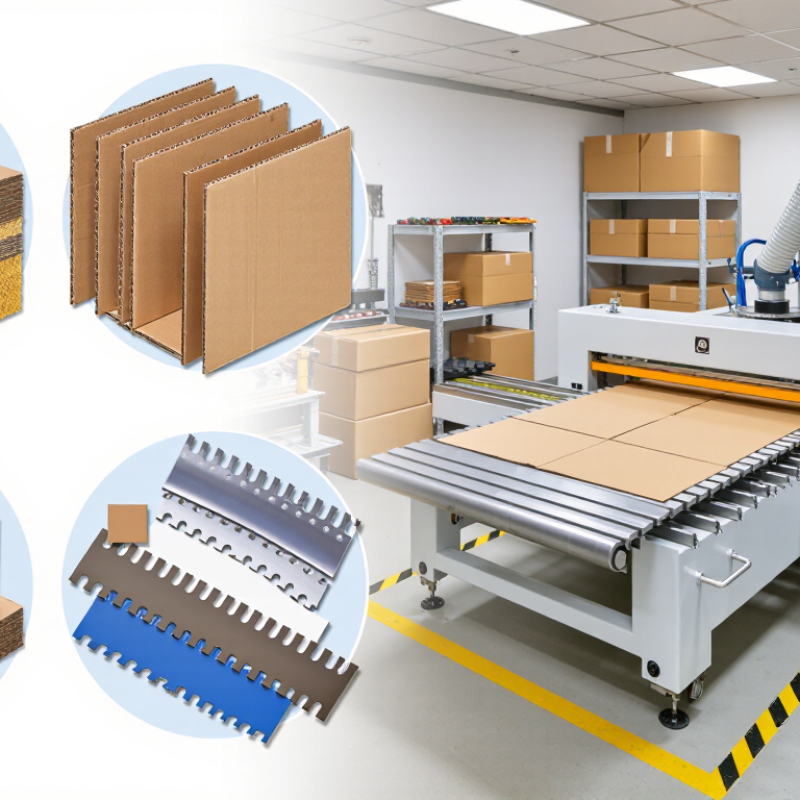
What Is a Vibrating Knife Carton Proofing Machine?
A vibrating knife carton proofing machine is a digital cutting system for testing carton designs before mass production. It uses a computer-controlled blade that moves rapidly while following a programmed outline. The machine can cut and crease paperboard, corrugated board, foam, and similar sheet materials. No metal die is required. This reduces setup time for short runs and design revisions. It is not magic.
In a typical workflow, an operator imports a structural drawing, checks its scale, and secures the sheet on a vacuum bed. The cutting head follows every panel, slot, and fold line with controlled pressure. A creasing wheel presses fold channels without cutting through the board. The finished blank is folded by hand for inspection. Teams can check fit, edge alignment, lid tension, and print placement. Small errors appear quickly. An accurate file cannot fix warped board or an incorrect crease setting.
When choosing a machine, examine cutting accuracy, working area, tool changes, software compatibility, and safety features. Ask for sample testing with your actual board thickness. Test the board. A fast machine is not always the better choice. Noise, dust, maintenance, and training time can affect daily production. In practical trials, prototypes may need two or three adjustments. That is normal, although it can reveal weak measurements or unclear artwork. The machine supports professional judgment; it does not replace it.
| Selection Dimension | Typical Technical Data | Why It Matters | Selection Guidance |
|---|---|---|---|
| Working Principle | A motor-driven knife oscillates rapidly to cut sheet materials along programmed outlines. The machine normally combines cutting, creasing, marking, and drawing functions. | It enables fast, clean production of carton samples without manufacturing a metal die. | Choose a vibrating-knife system when frequent design changes, short runs, or prototype development are important. |
| Main Application | Carton prototypes, packaging samples, structural design verification, small-batch cartons, displays, inserts, and pre-production samples. | The machine is designed for flexible sample making rather than high-volume die-cut production. | Match the machine to the number of samples, material types, and carton sizes produced each month. |
| Recommended Materials | Corrugated board, honeycomb board, paperboard, greyboard, foam board, corrugated plastic, felt, leather, and similar sheet materials. | Different materials require different knife geometries, cutting forces, and feed settings. | Confirm the machine’s approved material list and test the thickest and most difficult material before purchase. |
| Effective Cutting Thickness | Approximately 5–20 mm for many carton-proofing configurations; the actual limit depends on material density, blade type, and machine design. | A thicker or denser board may require multiple passes or a higher-force cutting head. | Select a capacity above the maximum material thickness used in your carton portfolio, not only the average thickness. |
| Working Area | Common table sizes include approximately 1,600 × 1,200 mm, 2,500 × 1,600 mm, and 3,200 × 2,000 mm. | The working area determines whether a full carton blank can be processed in one setup. | Choose a table that accommodates the largest unfolded carton blank while leaving sufficient edge clearance. |
| Cutting Speed | Typical maximum cutting speeds are about 800–1,500 mm/s, depending on the material, tool, geometry, and required finish. | Higher speed can reduce cycle time, but sharp corners and small details often require slower movement. | Prioritize stable cutting quality and acceleration control over maximum speed alone. |
| Positioning Accuracy | Many professional flatbed systems specify positioning accuracy in the range of approximately ±0.1–0.3 mm under suitable operating conditions. | Accurate positioning helps ensure that crease lines, cut lines, and printed graphics align correctly. | Ask for test results on the actual board type and sheet size used in production. |
| Tool Configuration | Common tools include an oscillating knife, drag knife, creasing wheel, plotting pen, perforation tool, and optional milling or V-cut tools. | A wider tool set allows one machine to complete more packaging operations without manual rework. | Choose the tools required for cutting, creasing, perforating, marking, and sample annotation in your workflow. |
| Creasing Performance | A powered creasing wheel or creasing tool can create fold lines in paperboard and corrugated board; tool selection must match flute direction and board structure. | Consistent creasing improves folding accuracy and reduces cracking or deformation on carton samples. | Request samples with both parallel and cross-grain creases, especially for double-wall or coated materials. |
| Material Holding Method | Vacuum tables are widely used to hold flat sheets during cutting. Zoned vacuum areas help reduce air consumption when processing smaller sheets. | Secure material holding prevents shifting, incomplete cuts, and dimensional errors. | Select a zoned vacuum table when sheet sizes vary or when thin materials are frequently processed. |
| File Compatibility | Common input formats include AI, DXF, PLT, PDF, SVG, and other vector-based formats, depending on the control software. | Compatible file import reduces preparation time and minimizes drawing conversion errors. | Verify compatibility with the design software used for structural packaging and artwork development. |
| Workflow Software | Typical functions include layer recognition, cut-and-crease assignment, nesting, contour correction, tool-path generation, and job storage. | Efficient software reduces setup time and helps operators manage repeated sample revisions. | Prefer software with editable tool parameters, preview simulation, error alerts, and simple operator controls. |
| Production Capacity | Output varies widely with carton size and complexity. A prototype can take from several seconds to several minutes, excluding file preparation and material loading. | Real productivity depends on cutting length, number of creases, tool changes, and operator handling. | Compare machines using a complete sample cycle rather than advertised cutting speed only. |
| Power Requirements | The cutting table and control system commonly require single-phase or three-phase industrial power; connected load varies by table size and vacuum system. | The available electrical supply affects installation cost and operating stability. | Confirm voltage, frequency, phase, rated power, plug type, and circuit protection requirements before installation. |
| Compressed Air Requirement | Some tool-change, pneumatic, or specialized cutting systems require a clean compressed-air supply; other configurations may not. | Air requirements influence whether an additional compressor, dryer, or filter is needed. | Request the required pressure, flow rate, air quality, and connection size for the exact configuration. |
| Safety Features | Expected features include emergency-stop buttons, protective covers or sensing systems, software travel limits, warning indicators, and controlled tool movement. | Fast-moving knives and moving gantries create mechanical hazards during operation and maintenance. | Check conformity with applicable workplace safety requirements and provide operator training before use. |
| Noise and Workplace Conditions | Noise varies with knife frequency, vacuum equipment, material type, and cutting speed. Dust extraction may be necessary for some boards and tool processes. | Noise, dust, and vibration affect operator comfort, maintenance, and the suitability of the installation area. | Evaluate the machine during a real cutting test and plan ventilation or extraction where required. |
| Machine Footprint | The total installation area is larger than the cutting table because it also includes the control cabinet, vacuum equipment, access space, and material handling area. | Insufficient clearance can restrict loading, maintenance, and safe operator movement. | Measure the complete installation zone, including front, rear, side, and service access clearances. |
| Maintenance Needs | Routine tasks include blade inspection and replacement, cleaning the table and vacuum channels, checking fasteners, lubricating specified components, and backing up software settings. | Regular maintenance supports cutting accuracy, tool life, and reliable operation. | Choose a design with accessible consumables, clear maintenance procedures, and readily available replacement tools. |
| Best-Fit Buyer Profile | Packaging design studios, carton converters, research and development departments, sample rooms, educational laboratories, and short-run packaging producers. | These users benefit from quick changeovers and the ability to produce varied designs without new dies. | Select the machine based on sample volume, board range, largest blank size, accuracy requirements, and available floor space. |
Note: Technical ranges are typical reference values for general carton-proofing applications. Actual performance depends on machine configuration, material structure, blade and creasing-tool selection, file quality, operator settings, and site conditions. Always validate the required specifications with production samples before purchasing.